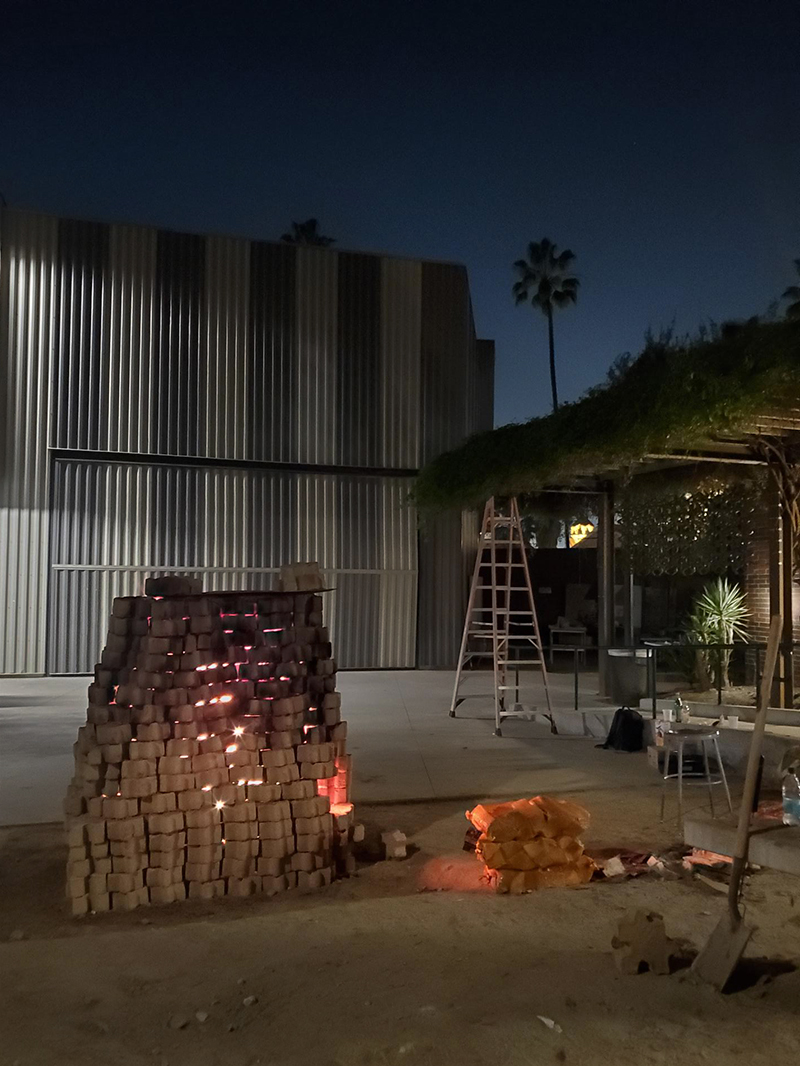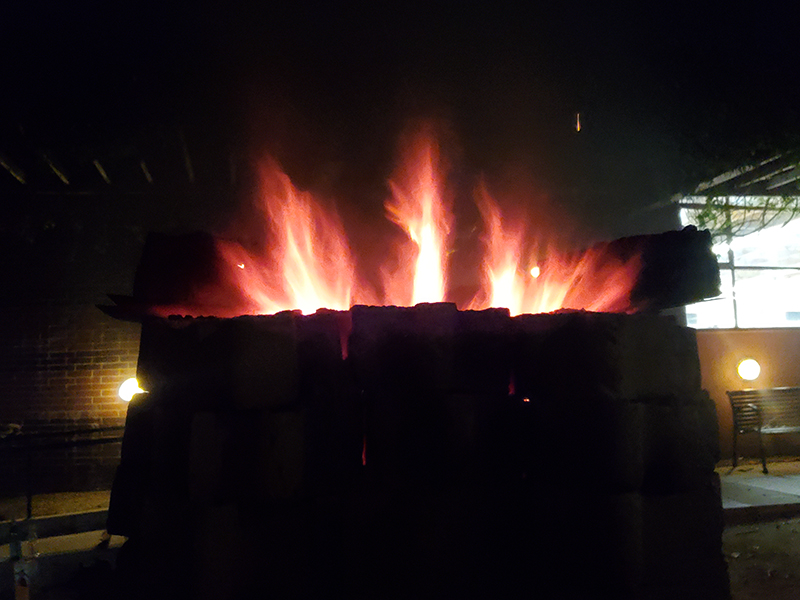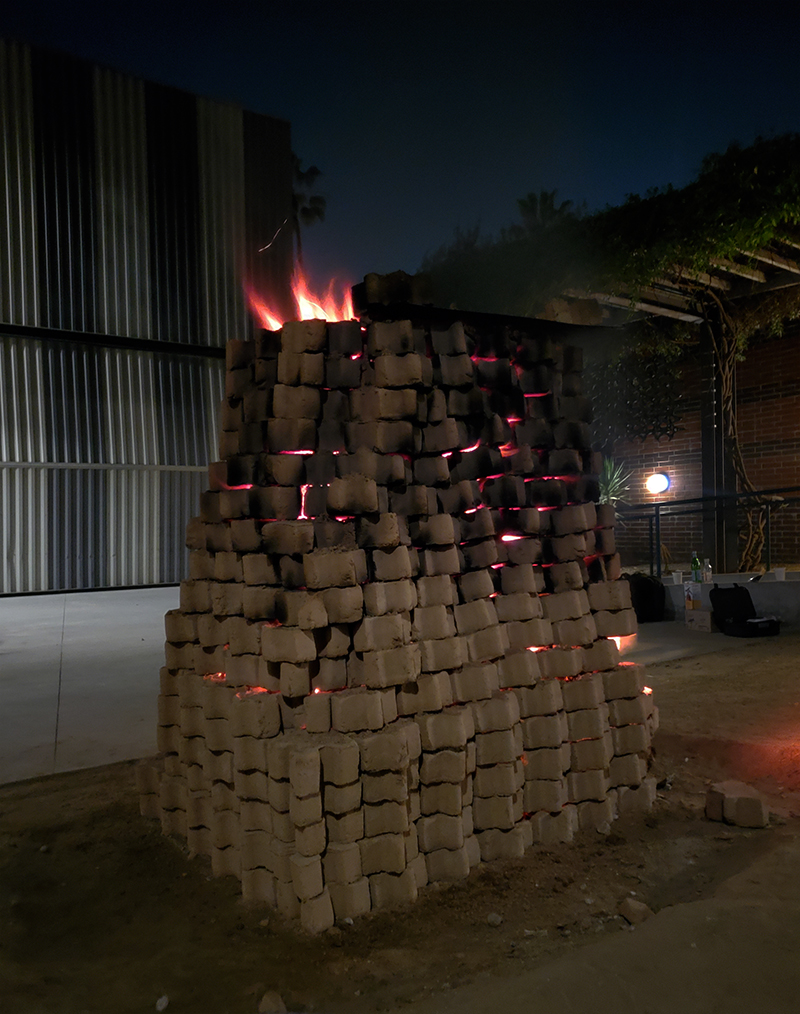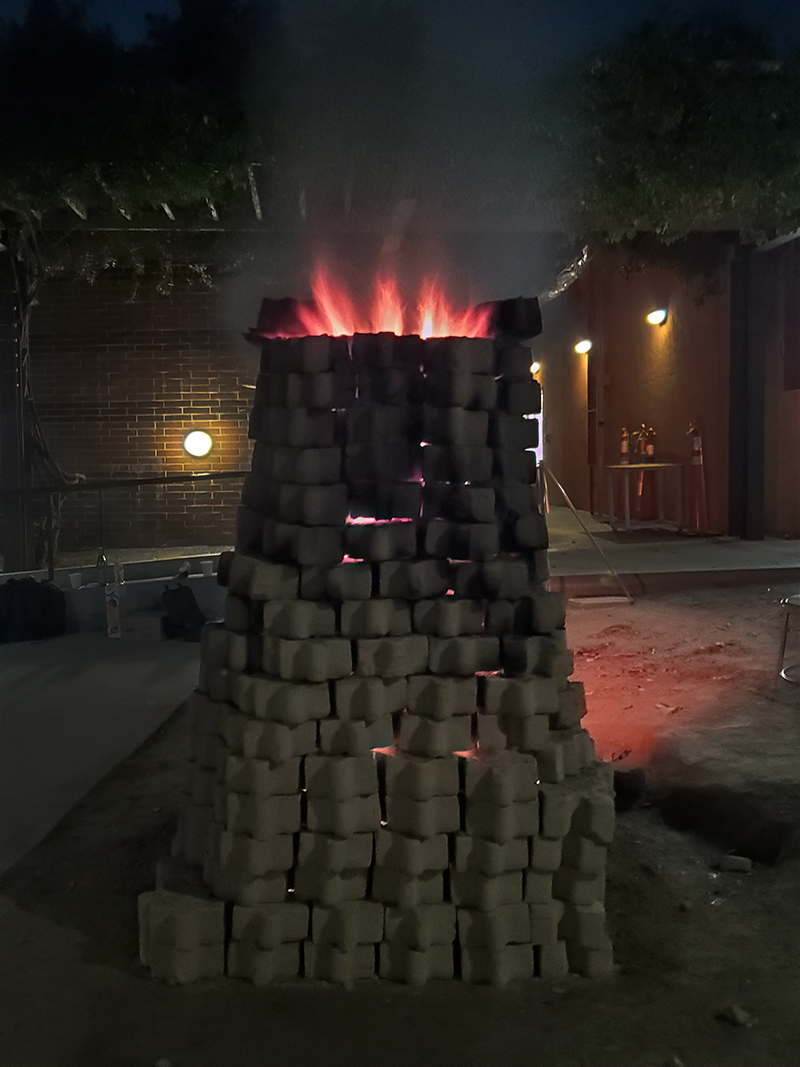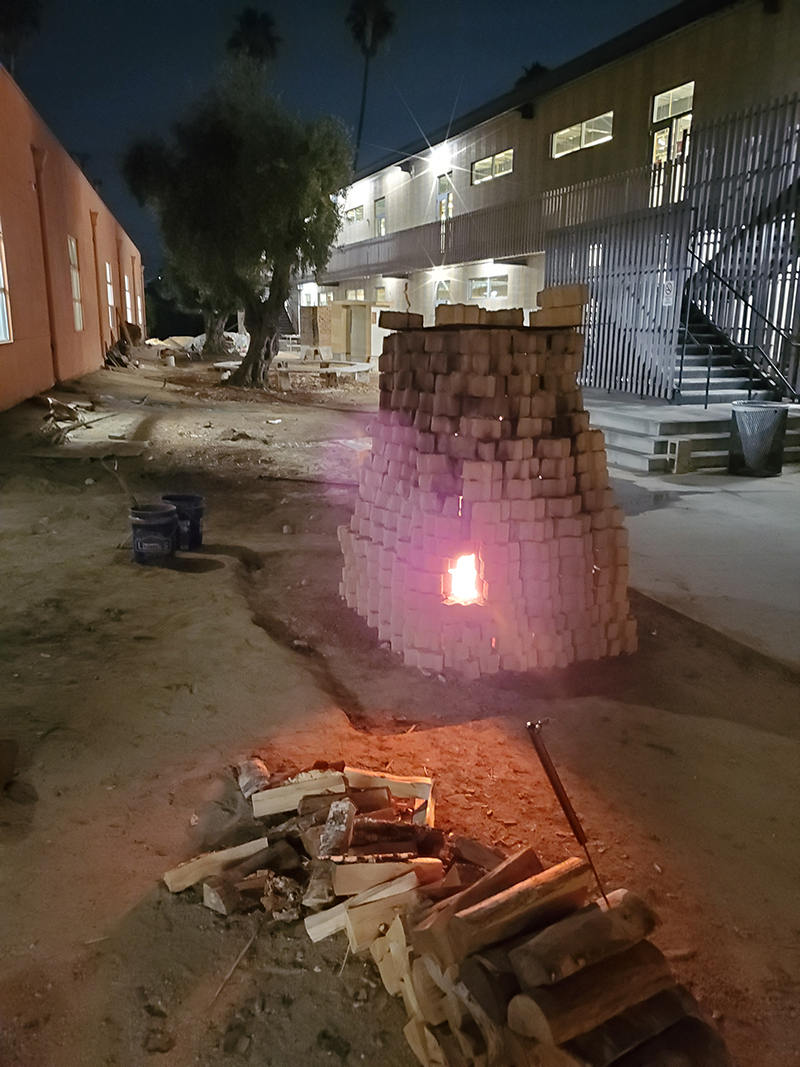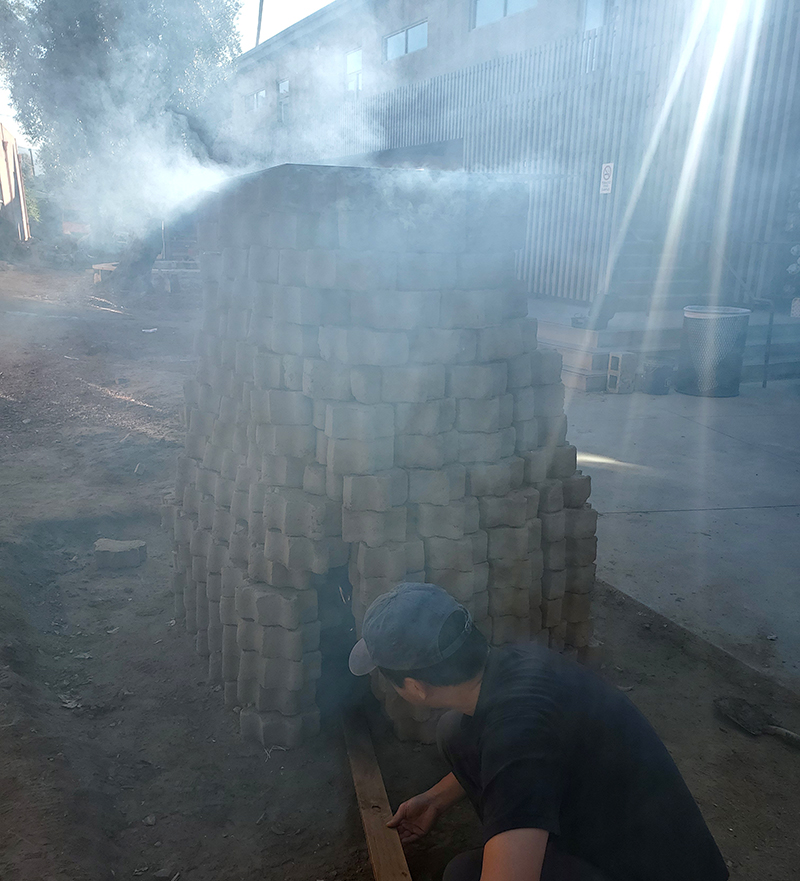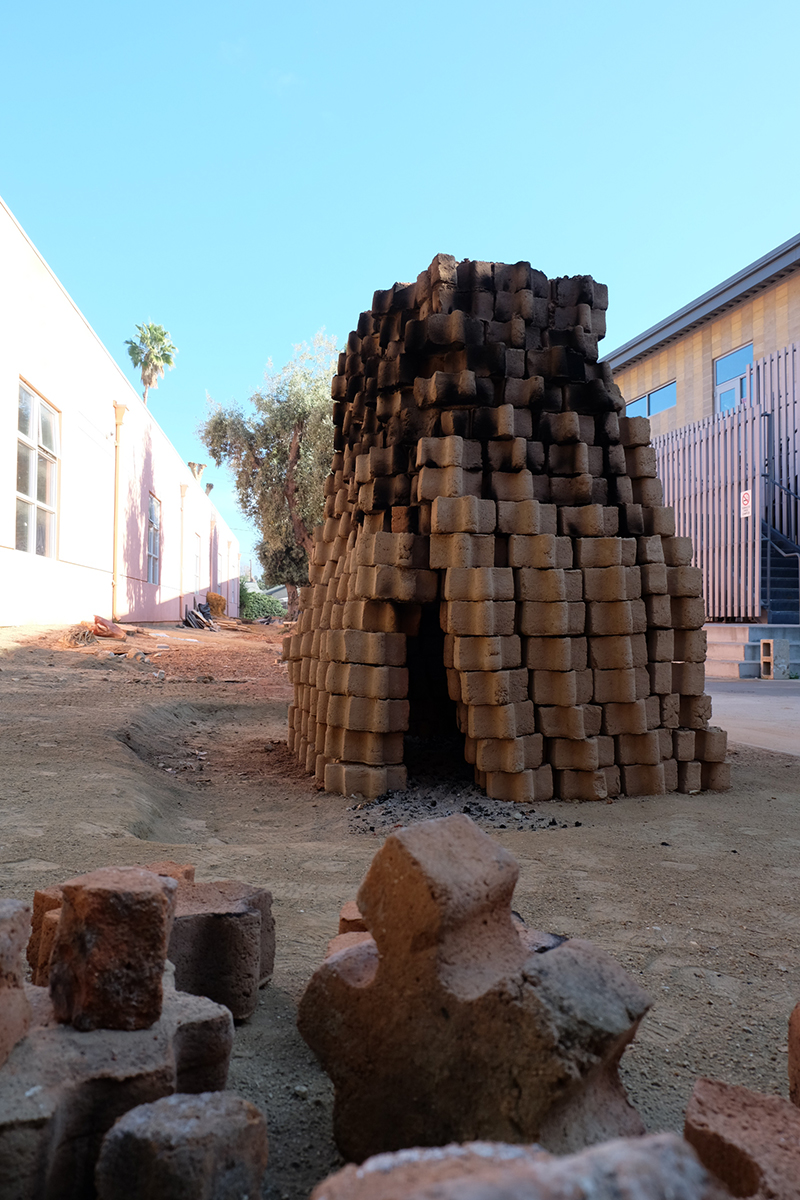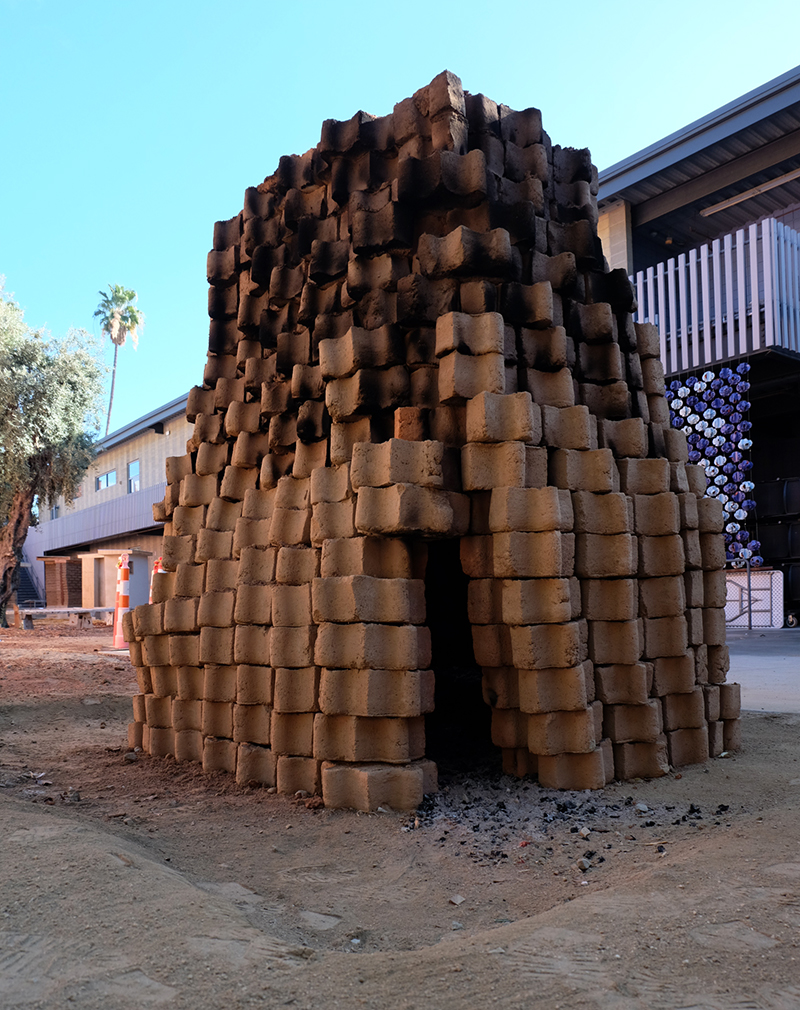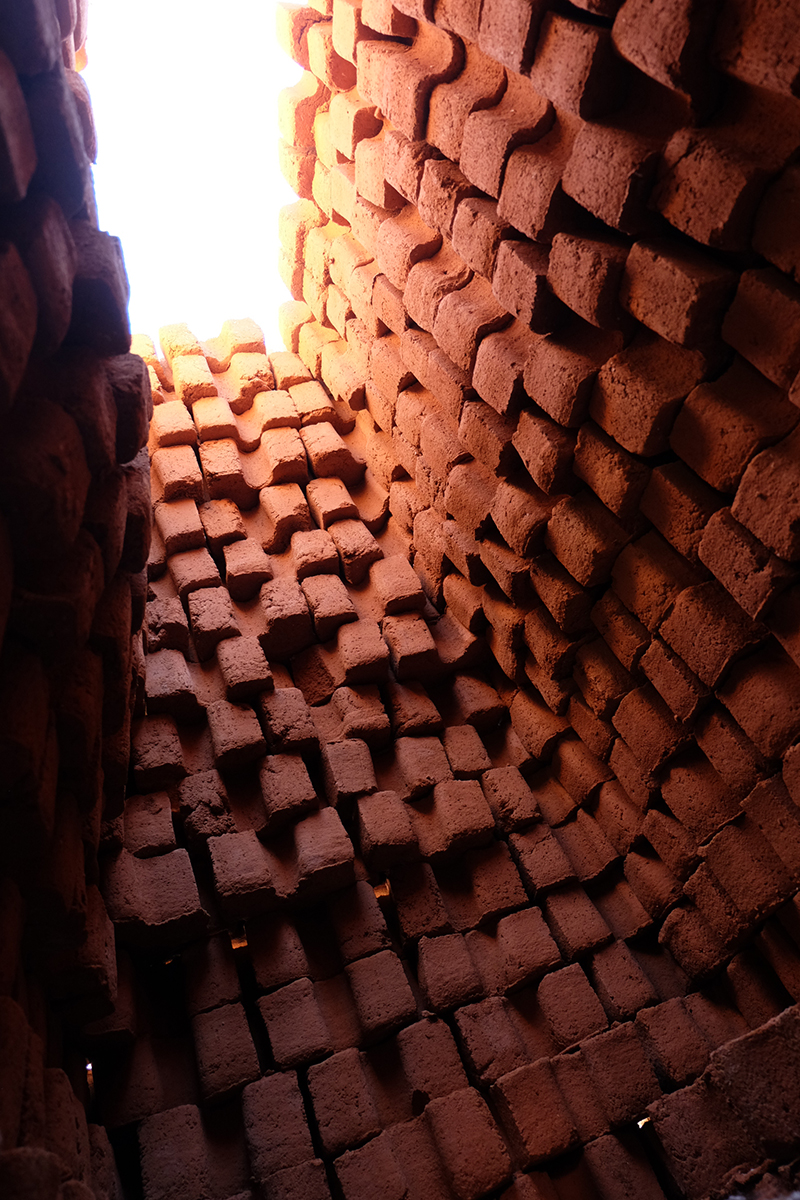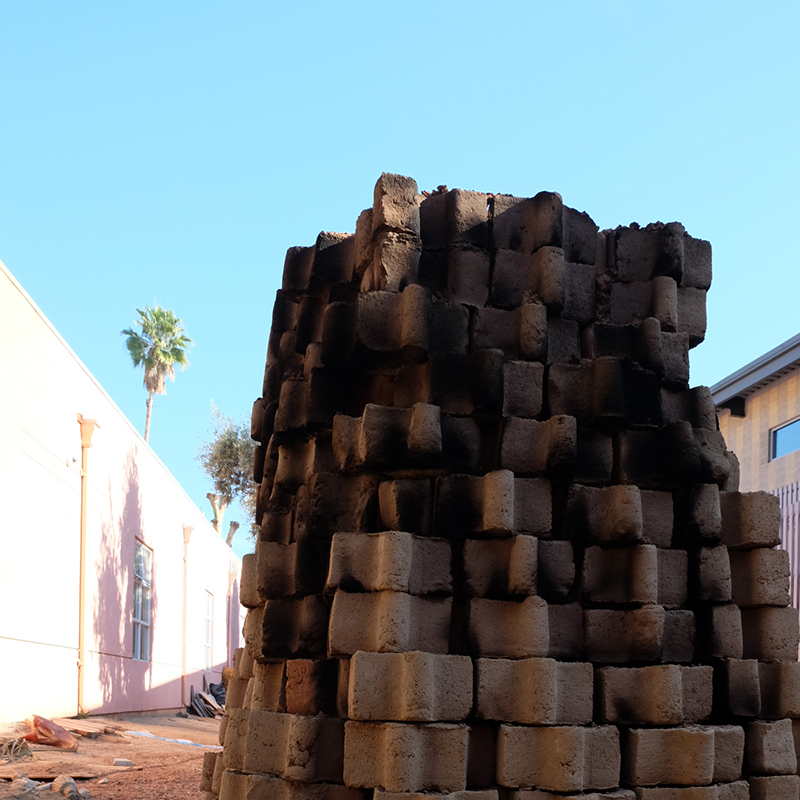

From the self-firing brick kilns in Uganda, which begin as striking dark monoliths then gradually get disassembled over time, to the ideas of alchemical land furnaces of John Roloff – the project explores the potential of KILNS as an architecture and a site of transformation.
Not just a vernacular technology which has been around for thousands of years, kilns are radical yet simple structures which are only just emerging in contemporary design practice: combining fabrication technology, material transformation, and architectural space – all in one.
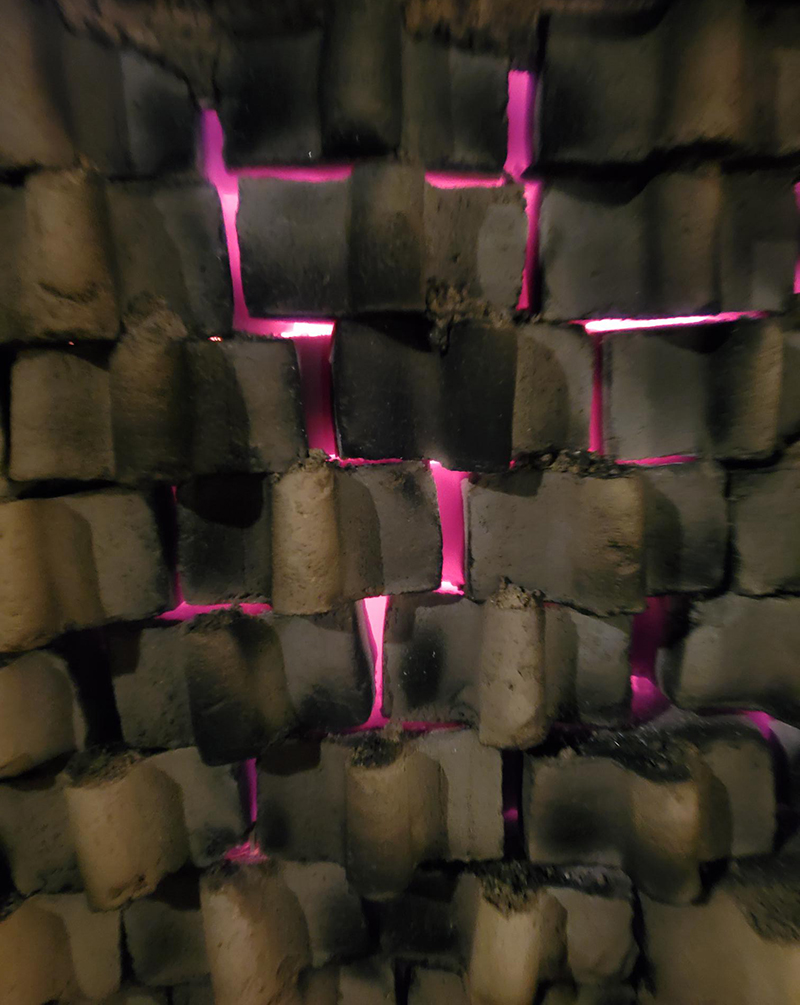
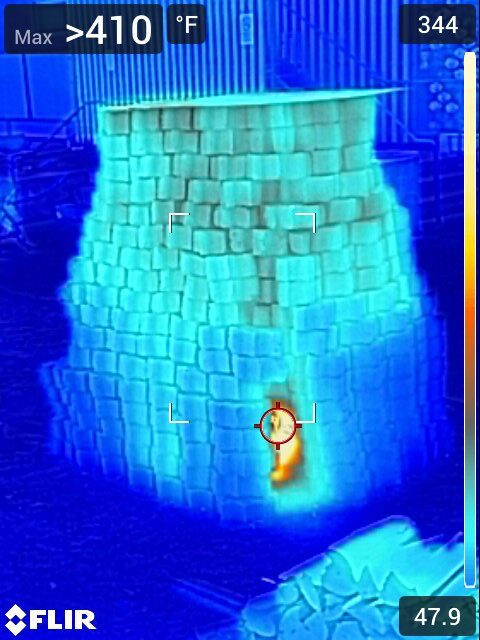
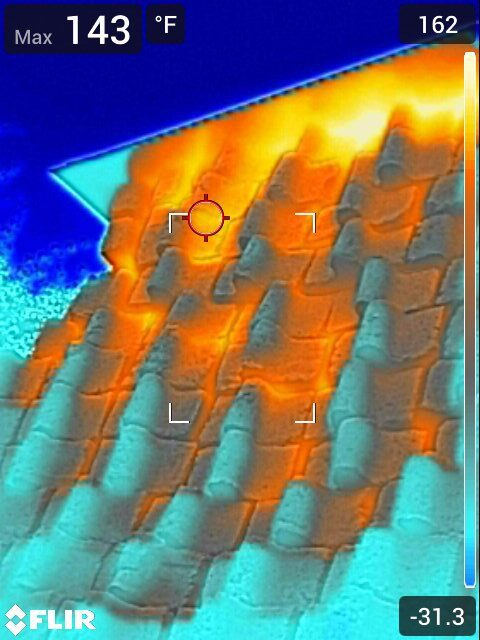
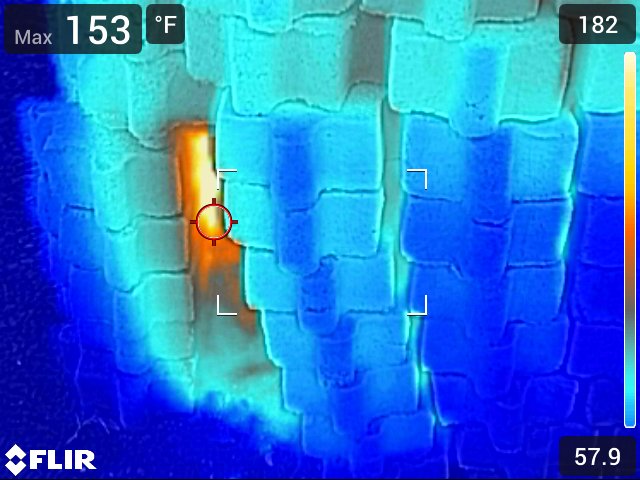
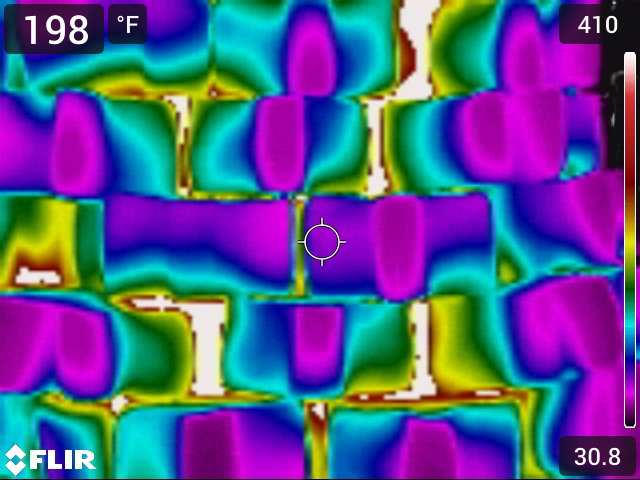
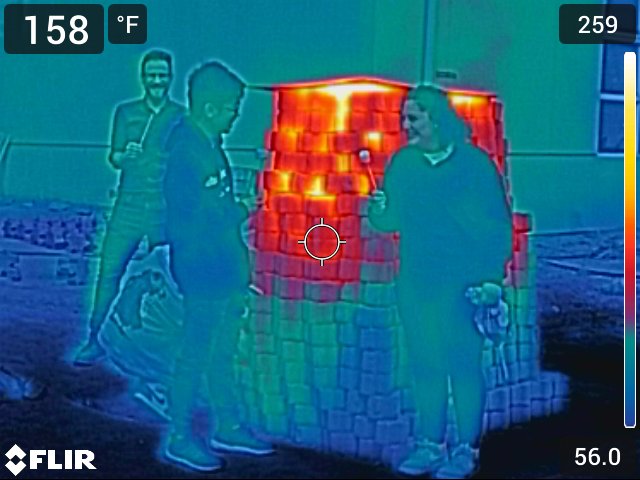
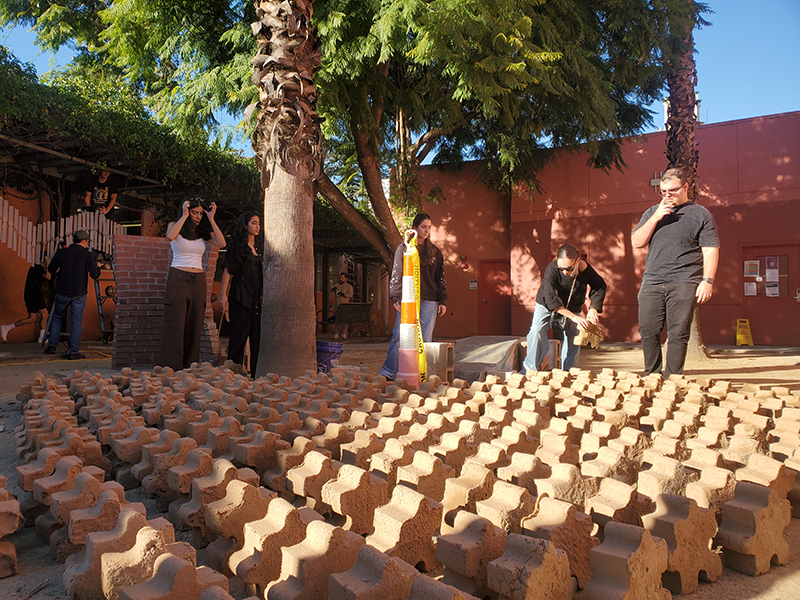
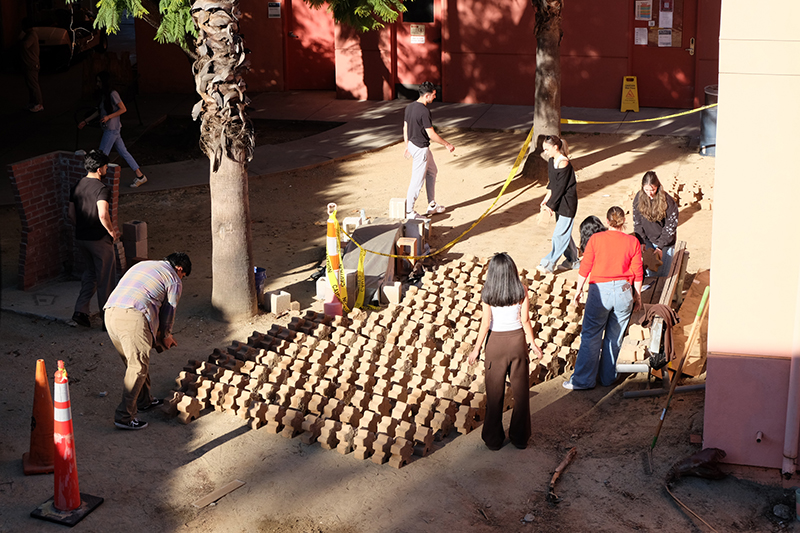
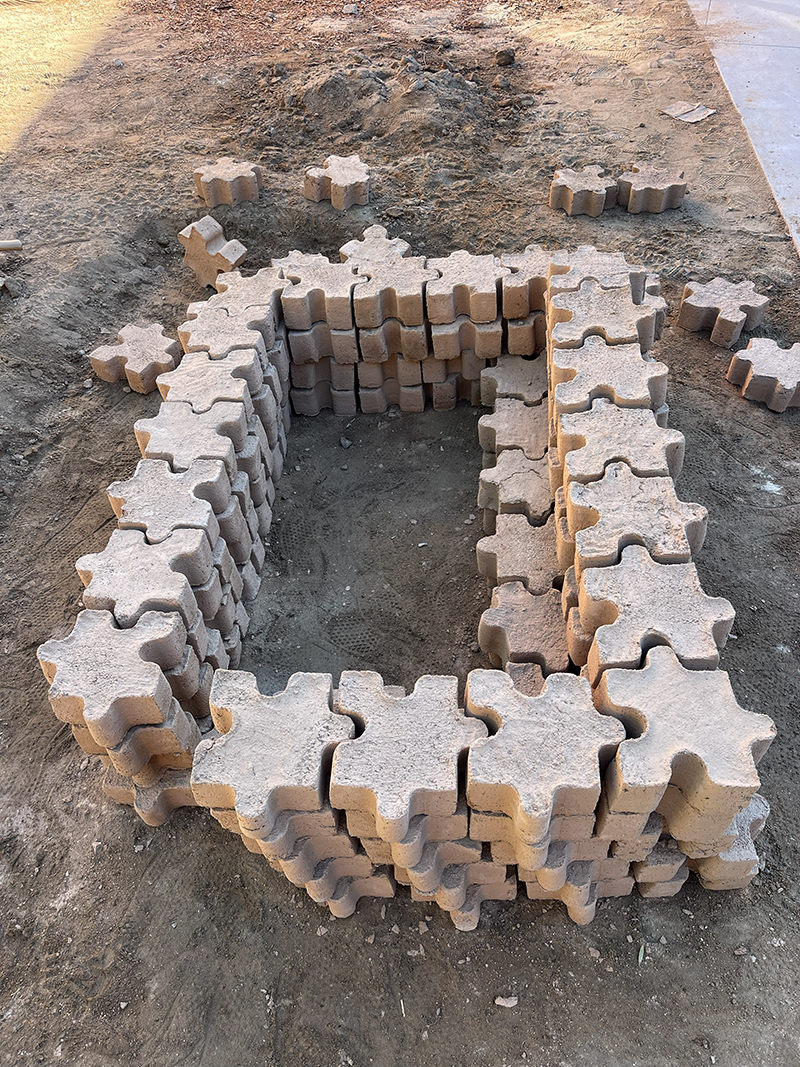
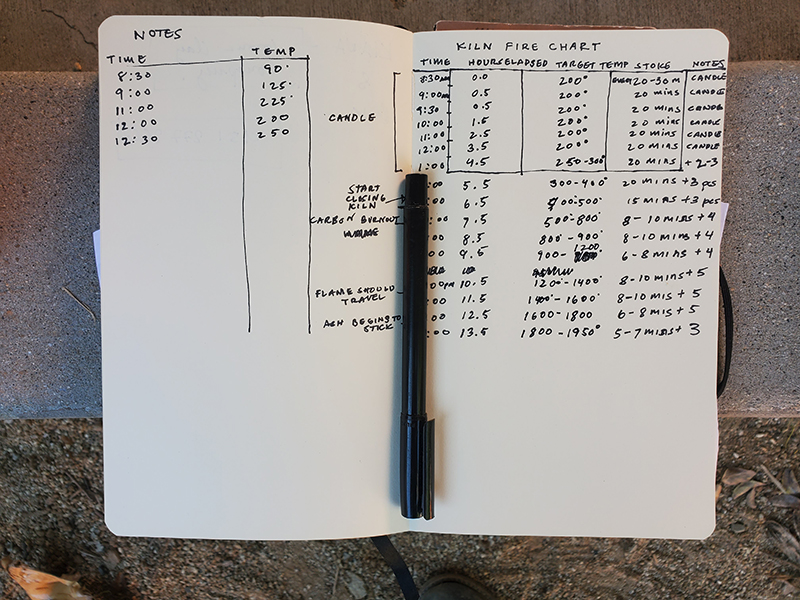
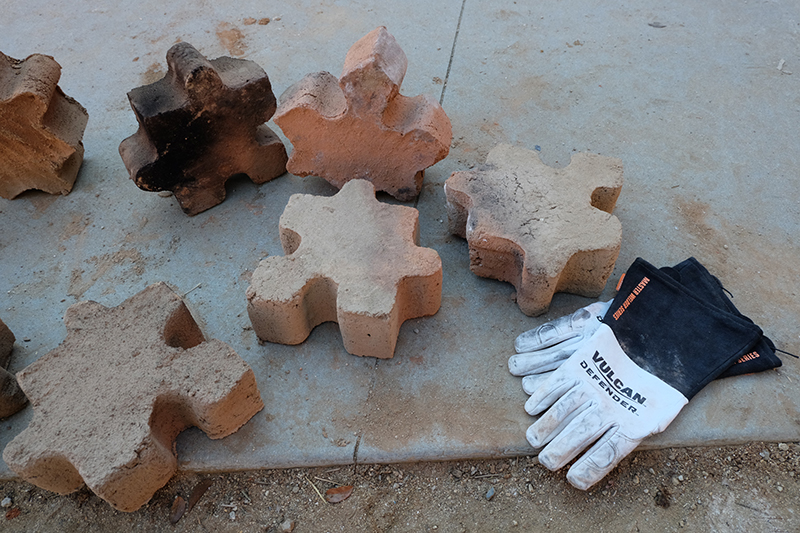
The project of making the full-scale prototype of a self-firing structure begun as part of an Advanced Materials and Methods class at Woodbury University School of Architecture. The desire was also to get back to FIRE as something constructive and generative, rather than destructive – taking place so soon after the LA fires. Akin to the “controlled fires” versus “wildfires” in the realm of landscape, here the slow firing of an architectural space becomes a way of strengthening and transforming the adobe structure, vitrifying the silica to create a durable water-resistant material similar to ceramic.
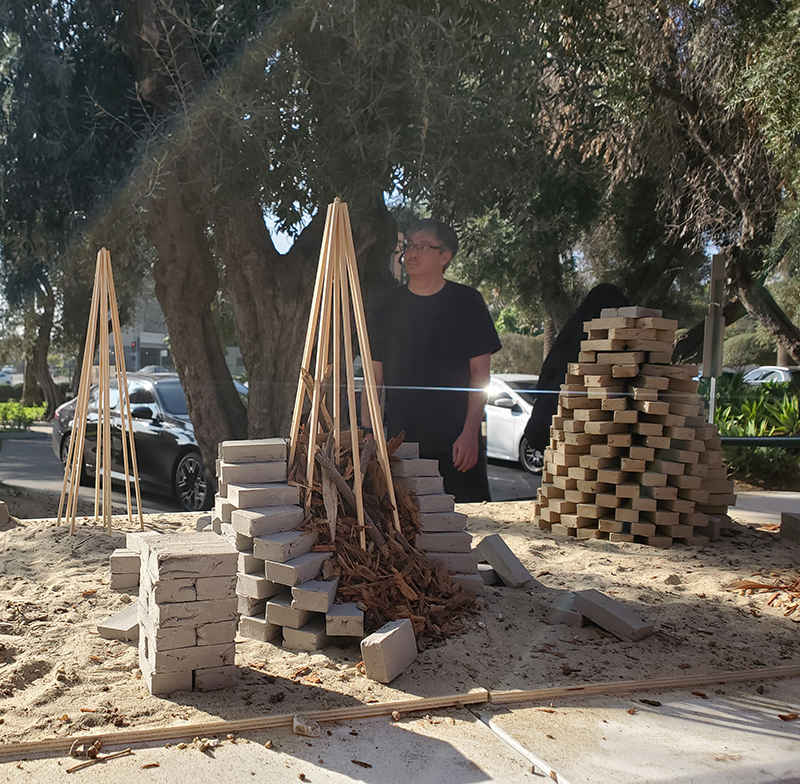
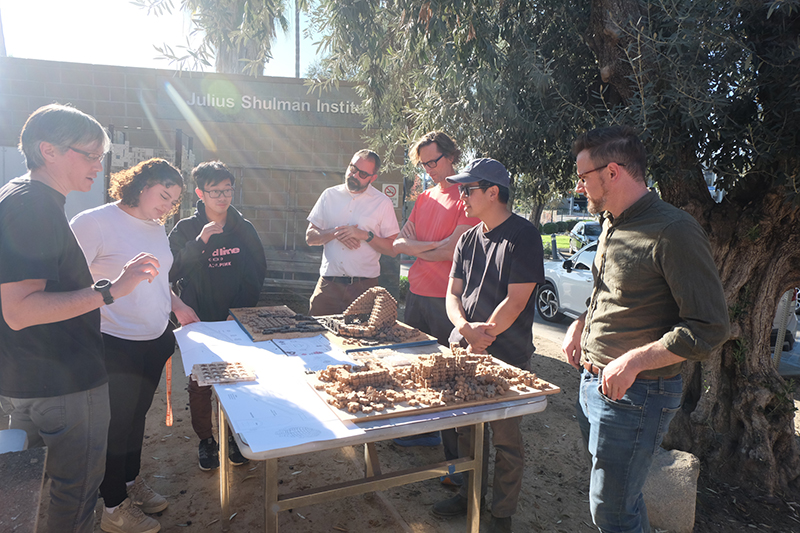
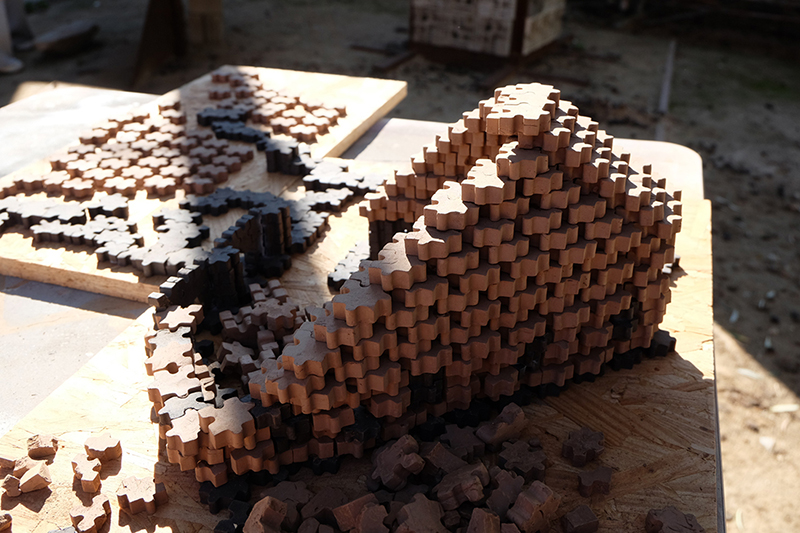
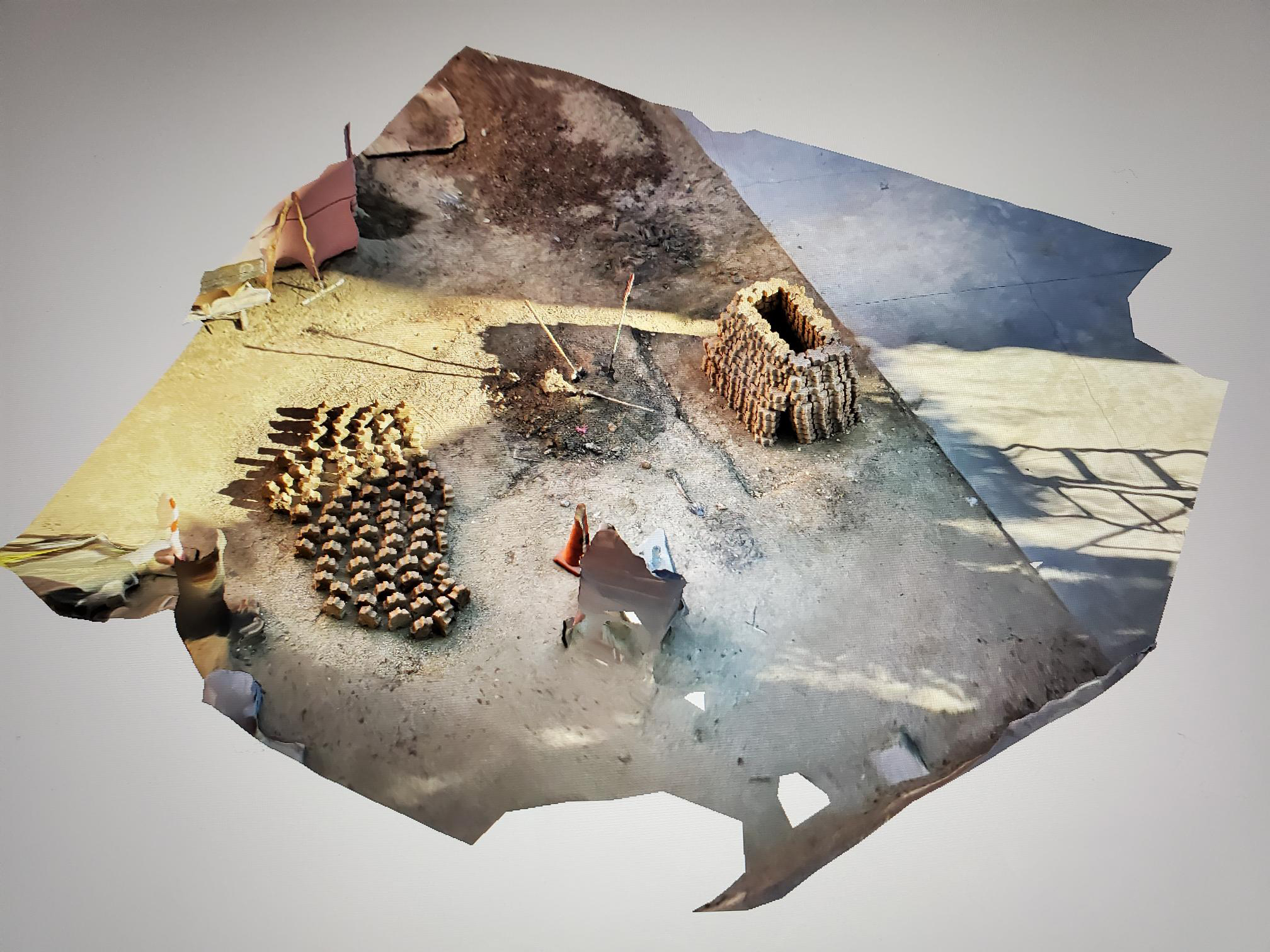
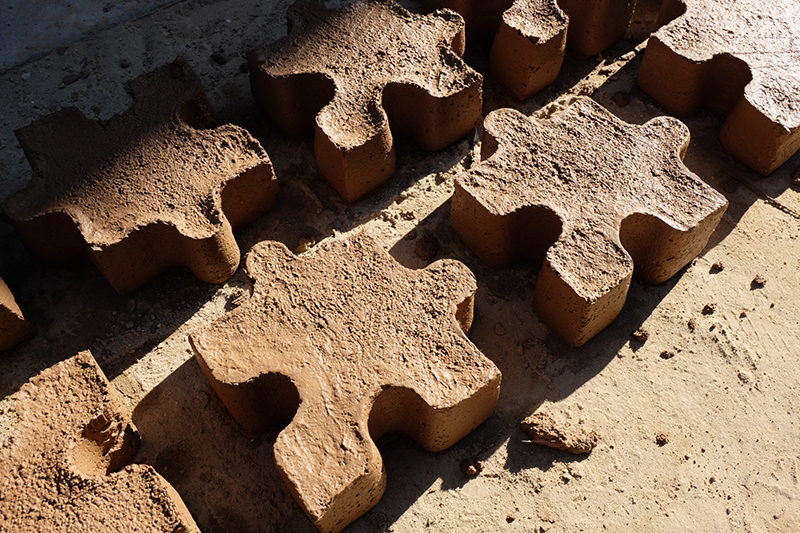
The design process started with large ceramic models which explored the spatial possibilities of this system, including the “drying landscapes” of cast brick modules, the social spaces of the brickyard, the assembly and partial disassembly of the kiln enclosure. For the materials we sourced “wild” clays of LA, such as San Fernando Valley Clays, Malibu Clays, and Lake Castaic historic clays. Settling for a mix of local clays and recycled brick aggregate generously supplied by the Corona Clay Company, a mix normally used for the surfacing of sports grounds in the LA basin, the kiln begun to embody an LA materiality and its imaginaries.